
- About Us

We 365 Admin Support, just simplify your IT problems
Call for a free support. +91 96666 59505Platform Partnership



HIGHLIGHTS
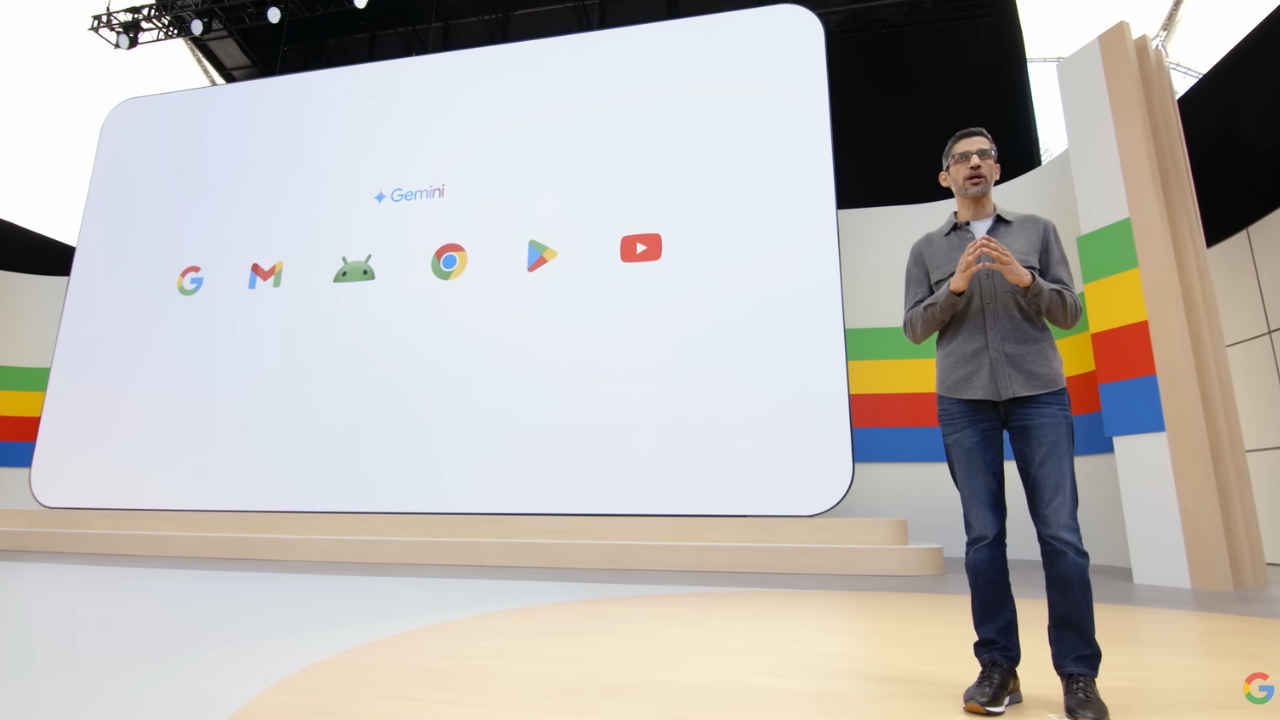
Each year, Google organizes its highly anticipated annual developer event known as Google I/O. While it may be primarily aimed at developers, this event serves as a platform for unveiling some of the most significant innovations from Google. It’s similar to a preview of what’s to come in Android, Search, Gmail, and other groundbreaking technologies that Google is currently developing. As artificial intelligence continues to advance at a rapid pace, everyone is eager to see how this tech giant intends to maintain its lead in the industry.
Below is a comprehensive overview of everything you need to know about Google I/O 2025, from the schedule to the live coverage details.
Google I/O 2025 is set to occur on May 20 and May 21 at the picturesque Shoreline Amphitheatre in Mountain View, California. The keynote address will begin on May 20 at 10:30 PM IST, marking an exciting start to the event.
For additional coverage, check out: Computex 2025: Date, Time, Key Participants, and Other Details
Fans can look forward to watching the keynote and other sessions streamed live on the Google I/O keynote landing page as well as the official YouTube channel. This global reach ensures that anyone with an internet connection can stay updated on all the exciting announcements and reveals.
Interested in more tech comparisons? Read: Apple iPhone 17 Pro vs iPhone 17 Pro Max: A Look at Price, Camera, Display, and Design Changes
Anticipation is building as the tech community expects Google to unveil more advanced and efficient iterations of its Gemini AI models. Additionally, enhancements to tools for Google Search and Workspace are on the horizon.
Google had previously hinted at the upcoming Android 16, but we anticipate more detailed insights about what this new version will entail during the keynote address. The unveiling of Android 16 will likely include exciting new features and improvements aimed at enriching user experience.
There are also strong indications that Google will roll out new AI agents capable of handling intricate tasks, such as coding and web research. Expect some significant upgrades to the Gemini AI models as we venture into a new era of artificial intelligence.
Moreover, Google is collaborating with Samsung on an XR headset, which may provide a sneak peek into how Gemini AI could be integrated into smart glasses or even the headset itself. This partnership has the potential to forge new pathways in immersive technology, bringing AI into everyday experiences.
For those interested in tech developments beyond Google, explore: Amazon’s Bid for Approval to Launch Satellite Internet in India: Competing with Starlink


