
- About Us

We 365 Admin Support, just simplify your IT problems
Call for a free support. +91 96666 59505Platform Partnership



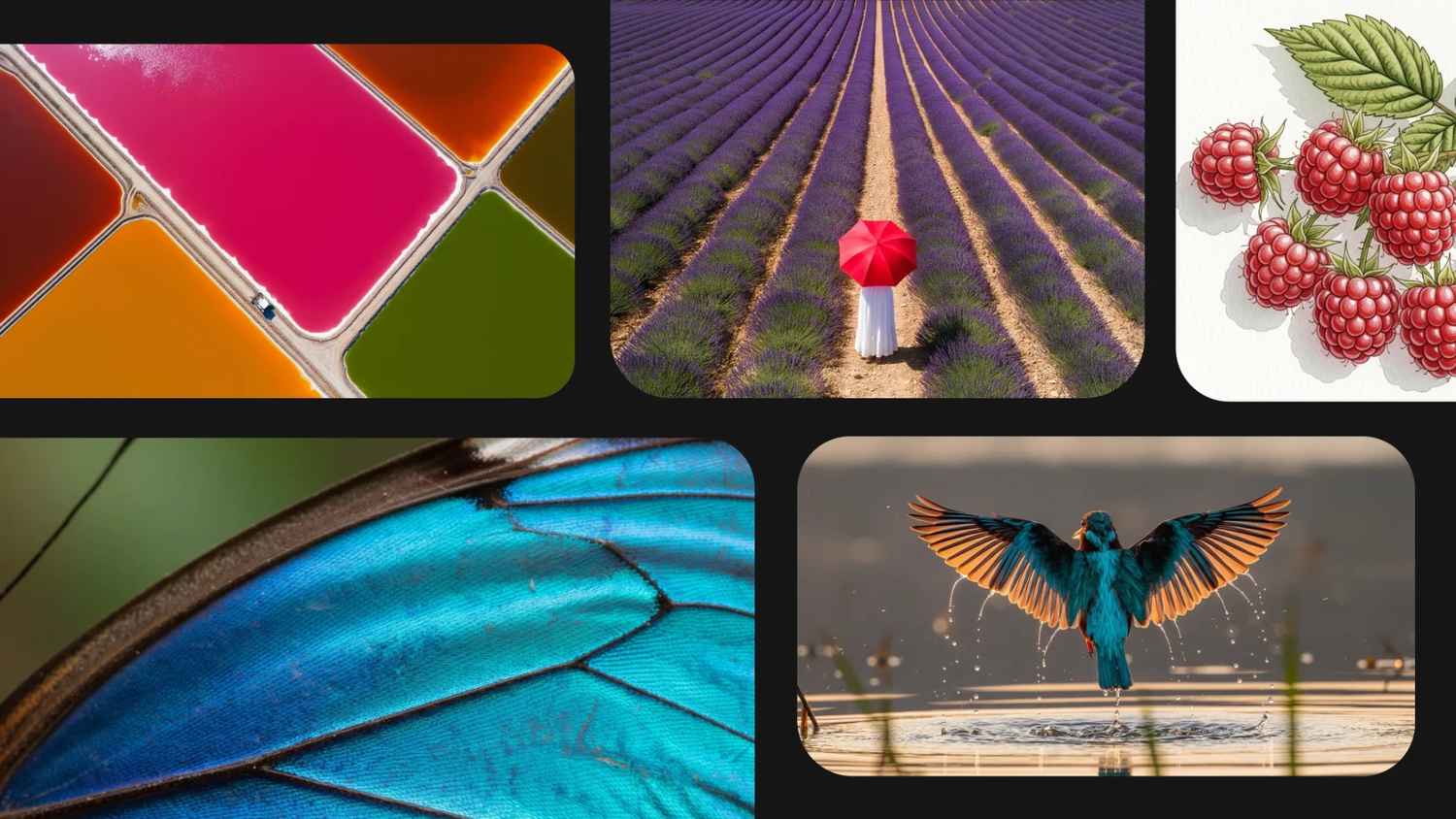
During the highly anticipated Google I/O 2025 developer conference, the technology giant unveiled an impressive suite of generative AI tools designed specifically for creative endeavors. These innovative models—Veo 3 for video content, Imagen 4 for images, and Lyria 2 for musical composition—are set to revolutionize how creators integrate artificial intelligence into their workflows. Alongside these models, a new tool named Flow has been introduced to provide a more organized framework for filmmakers harnessing generative content.
Also Read: Gemini Live is Rolling Out on Android and iOS
A standout feature of the announcements is Veo 3, Google’s advanced text-to-video model. Unlike earlier iterations, Veo 3 introduces native audio generation capabilities. This means that the model can now produce not just visual content but also environmental sounds—like the bustling noise of traffic or the gentle chirping of birds—as well as synthetic dialogue that syncs up perfectly with lip movements. The upgraded model allows users to input both text and image prompts, leading to videos that exhibit improved realism, accurate physics, and enhanced temporal coherence.
Currently, Veo 3 is exclusive to Google AI Ultra subscribers in the U.S., accessible through the Gemini app and Vertex AI for enterprise professionals. Users from professional filmmaking backgrounds are already incorporating this model in their workflows to assist in its iterative improvement.
Furthermore, Google has rolled out fresh features to its previous model, Veo 2, which now includes:
Many of these exciting tools have been integrated into Flow, Google’s new AI filmmaking platform.
Flow provides a creative space for generating AI-powered videos using either Veo, Imagen, or Gemini, enabling users to create and manage scenes, characters, and objects through both text prompts and custom image inputs. Beyond content creation, it offers asset management facilities, camera movement controls, and a scene builder to ensure continuity and refine transitions.
Presently, Flow is available to Google AI Pro and Ultra subscribers in the U.S., with plans to roll out in other regions soon.
In addition, Flow is being trialed by a select group of industry professionals, including acclaimed director Darren Aronofsky. His studio, Primordial Soup, is collaborating with Google DeepMind to investigate the potential of generative models in short-form storytelling. The project is set to yield its first film, titled Ancestra, which will premiere at the Tribeca Film Festival slated for June.
Not to be overshadowed, Google also showcased Imagen 4, its latest model for image generation. This new version produces higher-resolution images, boasting outputs of up to 2K and significantly improved texture detail, composition, and notably, typography. Imagen 4 addresses a known shortcoming of previous versions by handling text in images much more effectively.
Users can access Imagen 4 through various platforms, including the Gemini app, Google Workspace tools (such as Docs, Slides, and Vids), Whisk, and Vertex AI. Google anticipates releasing a faster iteration of Imagen 4, promising speeds that could be up to 10 times quicker than its predecessor, Imagen 3.
Lyria 2, Google’s cutting-edge music generation model, is being made available on YouTube Shorts and for enterprise users through Vertex AI. This model is part of Google’s Music AI Sandbox, offering music creators tools designed for composing, editing, and exploring innovative sounds.
Additionally, Lyria RealTime introduces the possibility for users to create and modify music in real time, including during live performances, through its integration into AI Studio.
To further improve user trust, Google launched SynthID Detector, a public tool that allows users to upload content for checks to determine whether it was either generated or modified using AI models like SynthID.
Read More: Google Takes On Meta with Stylish, AI-Powered Android XR Glasses


