
- About Us

We 365 Admin Support, just simplify your IT problems
Call for a free support. +91 96666 59505Platform Partnership




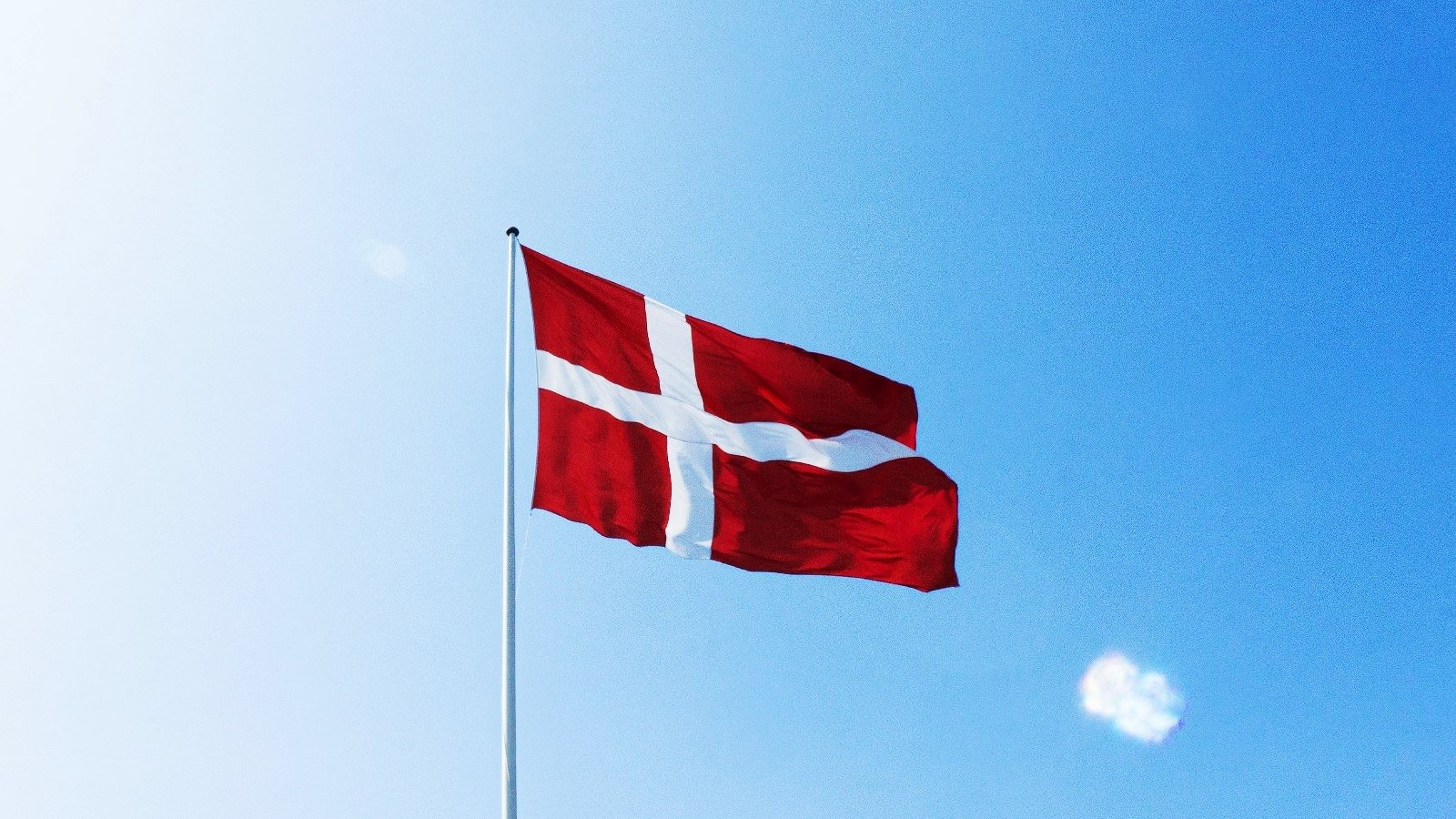
Danish intelligence officials have accused Russia of conducting cyberattacks aimed at Denmark’s crucial infrastructure, aligning with Moscow’s broader hybrid warfare strategy against Western countries.
In a statement released on Thursday, the Danish Defence Intelligence Service (DDIS) highlighted two groups believed to operate under the Russian government’s directive: Z-Pentest, associated with a harmful attack targeting the water supply, and NoName057(16), identified as the perpetrators behind distributed denial-of-service (DDoS) attacks leading up to Denmark’s upcoming local elections in November.
“The Russian state employs both groups as tools in its hybrid war against the West. The objective is to instill insecurity in the nations affected and to retaliate against those supporting Ukraine,” intelligence officials stated.

“Russia’s cyber activities are part of a wider campaign to undermine Western backing for Ukraine. The DDIS believes that the Danish elections serve as a platform to draw public interest, which is a trend noticeable in multiple European elections,” they added.
Following Russia’s full-scale invasion in February 2022, Denmark has actively participated in international sanctions against Moscow and has provided extensive support for Ukraine, including military equipment, training, and financial resources.
“This serves as concrete evidence that we are currently experiencing the hybrid war we’ve been discussing. It shines a light on the challenging situation we face in Europe,” commented Denmark’s defence minister Troels Lund Poulsen in a press release, according to The Guardian.
“Hybrid attacks by the Russian side are utterly unacceptable in Denmark,” Poulsen remarked, revealing that the Danish foreign ministry would summon the Russian ambassador for explanations regarding the incidents.
Earlier in August, the Norwegian Police Security Service (PST) connected the unauthorized opening of outflow valves at a dam to pro-Russian hackers who compromised essential operational systems.
Three years prior, Norway’s National Security Authority (NSM) had also associated a pro-Russian criminal group called Legion with DDoS attacks that disrupted various significant websites and online services.
More recently, on December 10th, CISA released a joint advisory alongside the FBI, NSA, European Cybercrime Centre (EC3), and a number of other global cybersecurity and law enforcement entities, cautioning that pro-Russian hacktivist groups like NoName, Z-Pentest, Sector16, and CARR (Cyber Army of Russia Reborn) are actively targeting critical infrastructure across the globe.

Ineffective IAM is not solely an IT concern; its effects pervade the entire organization.
This practical guide delves into why conventional IAM practices often fall short in addressing contemporary demands, provides examples of what constitutes effective IAM, and offers an easy checklist for creating a scalable strategy.


