
- About Us

We 365 Admin Support, just simplify your IT problems
Call for a free support. +91 96666 59505Platform Partnership



HIGHLIGHTS
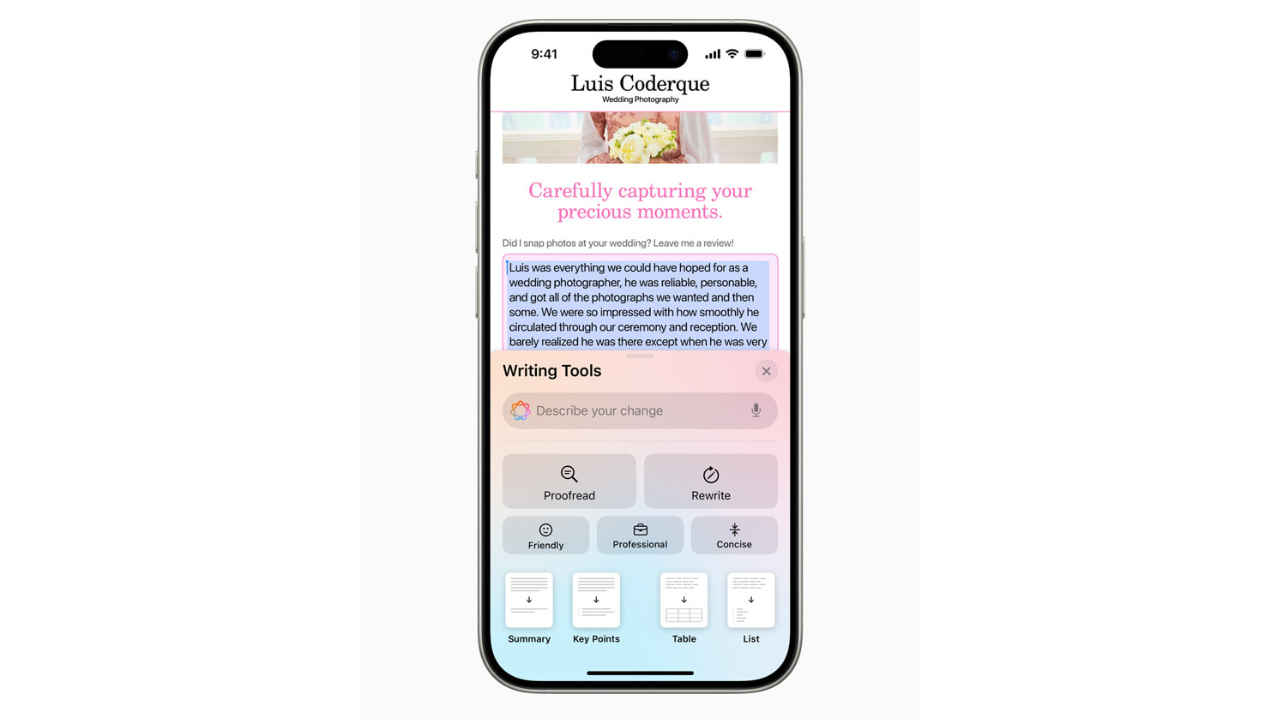
Apple Inc. is currently embroiled in a class-action lawsuit filed in the United States District Court in San Jose, which claims the company has misled consumers regarding its Apple Intelligence features. The lawsuit, introduced to the court on Wednesday, accuses Apple of false advertising practices, particularly referencing the tagline, ‘Built for Apple Intelligence.’ This tag allegedly created a misconception among customers that these AI capabilities would be readily available at the time of purchase.
The legal complaint further asserts that Apple’s marketing strategies set clear and reasonable expectations for consumers, creating the impression that the AI functionalities would be operational upon product release. However, the plaintiffs argue that the actual performance of Apple Intelligence has been severely constrained or, in some instances, entirely non-existent, rendering the company’s promotional claims misleading. The lawsuit aims to secure class-action status and pursue damages on behalf of consumers who invested in iPhones and other Apple products with the belief that the Apple Intelligence features would be available for use.
Amid these legal troubles, an internal meeting was held by Apple discussing the ongoing crisis surrounding the rollout of the Apple Intelligence features, as reported by Bloomberg. This report indicates that the company has undertaken significant leadership changes in response to growing concerns regarding its AI initiatives and the delayed launch of key features, particularly the enhanced version of Siri.
In a notable leadership shift, Apple has announced that the responsibility for Siri will now be transitioned from John Giannandrea, the Senior Vice President of AI who has been at the helm of Siri’s development since joining Apple in 2018, to Mike Rockwell, the head of the Vision Pro team.
Furthermore, Paul Meade, who leads hardware engineering at Apple, will assume control of the Vision Product Group, reporting directly to John Ternus, Apple’s hardware chief. According to Gurman, these changes in leadership have been in deliberation for several months and were already in place before Apple publicly acknowledged the delays concerning Siri’s AI enhancements. He added that the company is expected to formally announce this restructuring internally within the week.
These revelations come at a crucial time for Apple, as it faces heightened scrutiny over its advertising practices and product availability. Consumers seeking the advanced AI capabilities touted by the company now find themselves questioning not only the effectiveness of those features but also the integrity of Apple’s marketing claims. With the class-action lawsuit putting further pressure on the tech giant, the implications could extend beyond financial damages if Apple is found at fault.
As Apple navigates these challenges, the transition in leadership emphasizes the company’s commitment to a strategic realignment of its AI initiatives. The influence of Rockwell, coming from the Vision Pro division—an area that signifies Apple’s ambitious goals in augmented reality and innovative technology—could pivot the development of Siri towards a more integrated and capable voice assistant. As competition in the tech space escalates, the success of these changes could determine not only the fate of Siri but also Apple’s position in the AI-driven future.
In conclusion, while Apple attempts to address the concerns raised by the lawsuit, the leadership shakeup could potentially foster a fresh perspective on the development of Siri. However, whether these changes will suffice to regain consumer trust and ultimately lead to improved functionality remains to be seen. The forthcoming weeks will undoubtedly be crucial for both Apple and its consumers, as both parties await the outcomes of the legal proceedings and the effectiveness of the newly appointed leadership in realizing Apple’s AI vision.


